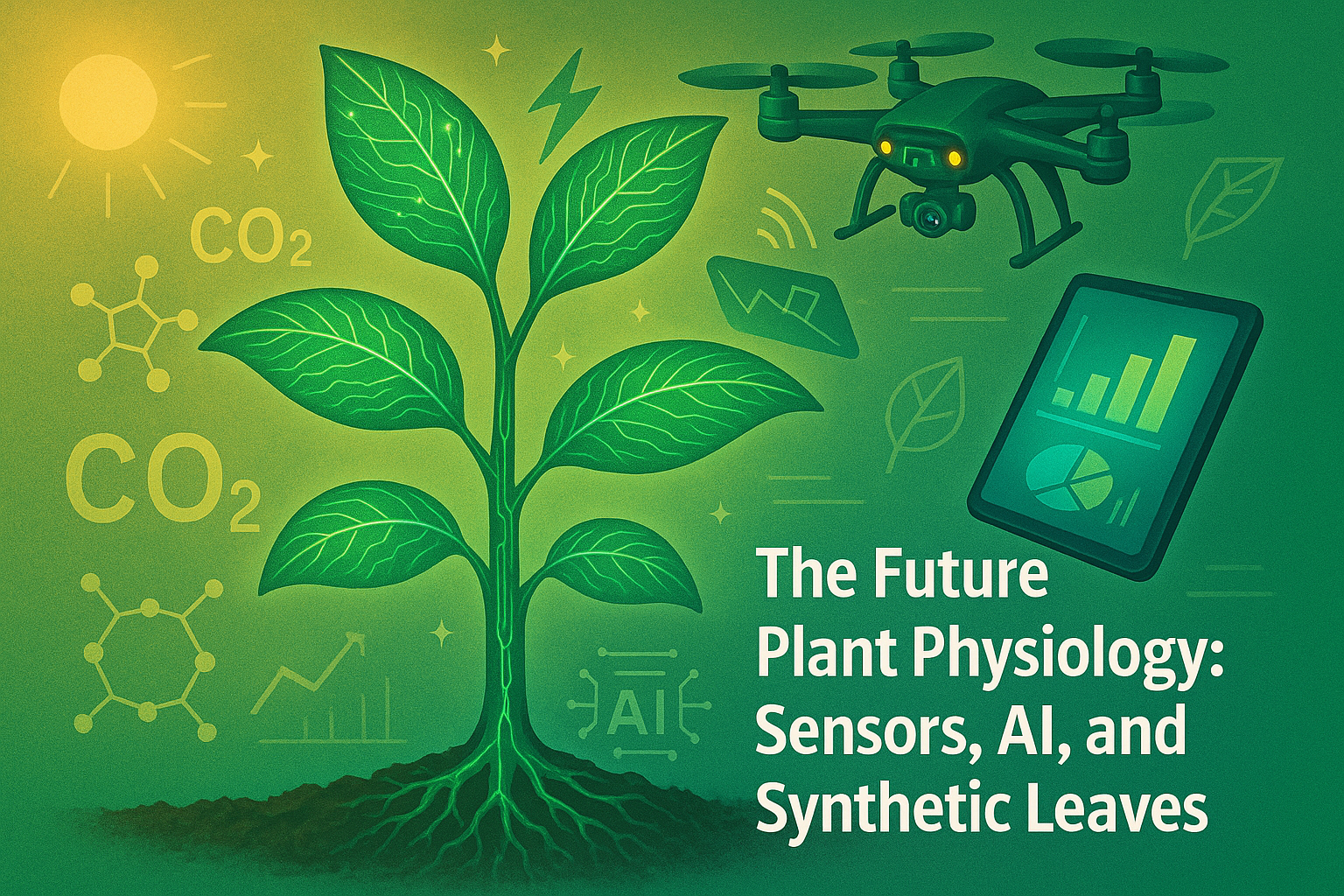
Plant physiology is the science that explains how plants grow, breathe, and survive is entering a new age. For centuries, scientists have studied plants by observing them with the naked eye, measuring leaf growth, or testing water loss in the lab. But now, with advances in AI, nanotechnology, and smart sensors, we can finally peek inside a living plant in real time.
Imagine a world where a leaf can tell you when it’s thirsty, or a root system sends an alert when the soil is running out of nutrients. This is not science fiction anymore but it’s the future of plant physiology. A new generation of tools is allowing researchers and farmers to understand plants at a level once thought impossible. From artificial leaves that mimic photosynthesis to AI systems that predict stress before it happens, technology is transforming the way we study and care for plants.
Smart Sensors: Listening to What Plants Feel
Every plant constantly interacts with its environment responding to temperature, light, humidity, and water availability. For a long time, measuring these changes required cutting or damaging the plant. Today, non-invasive plant sensors have changed that completely.
Tiny sensors can now be placed directly on leaves or stems to measure photosynthesis, water flow, temperature, and transpiration rates in real time. These devices act like wearable fitness trackers for plants. They send live data to mobile apps or cloud-based platforms, helping scientists or farmers monitor plant health remotely.
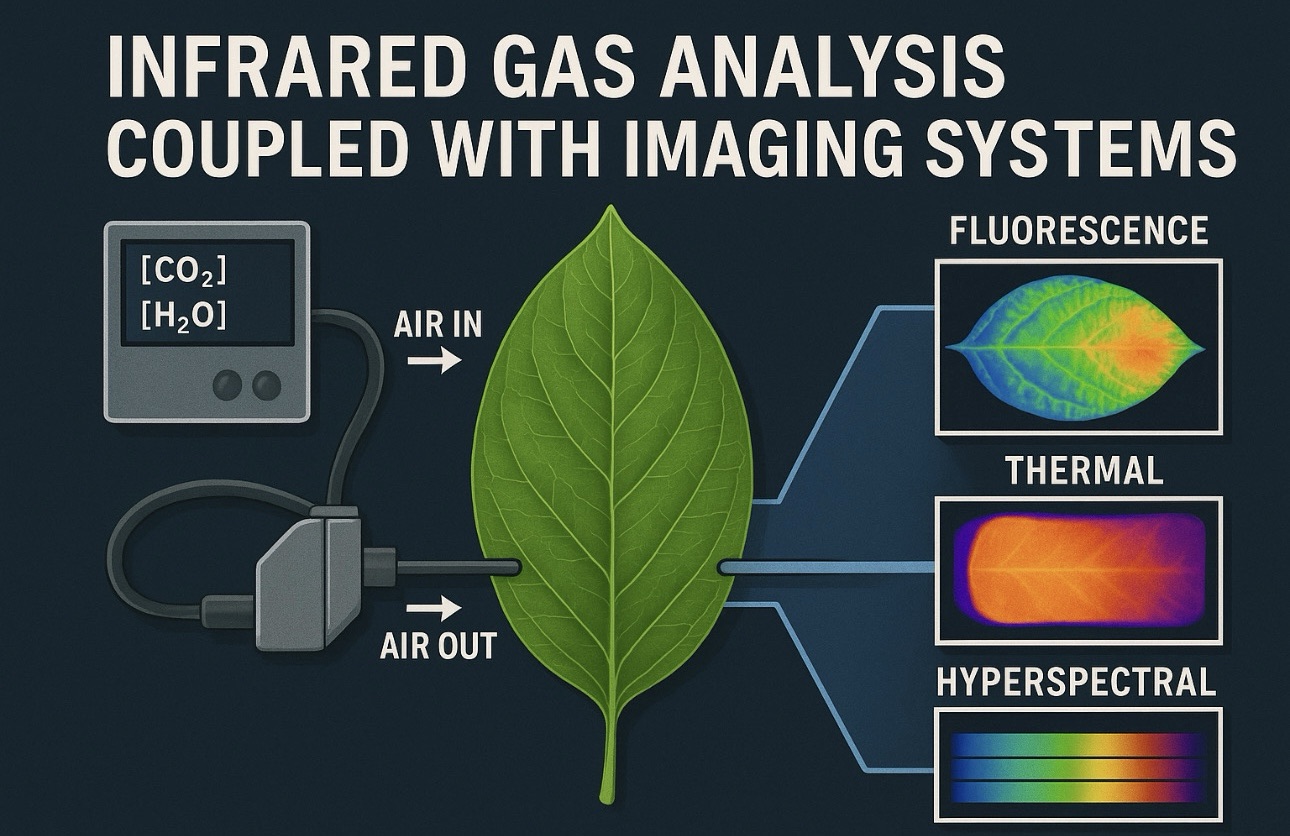
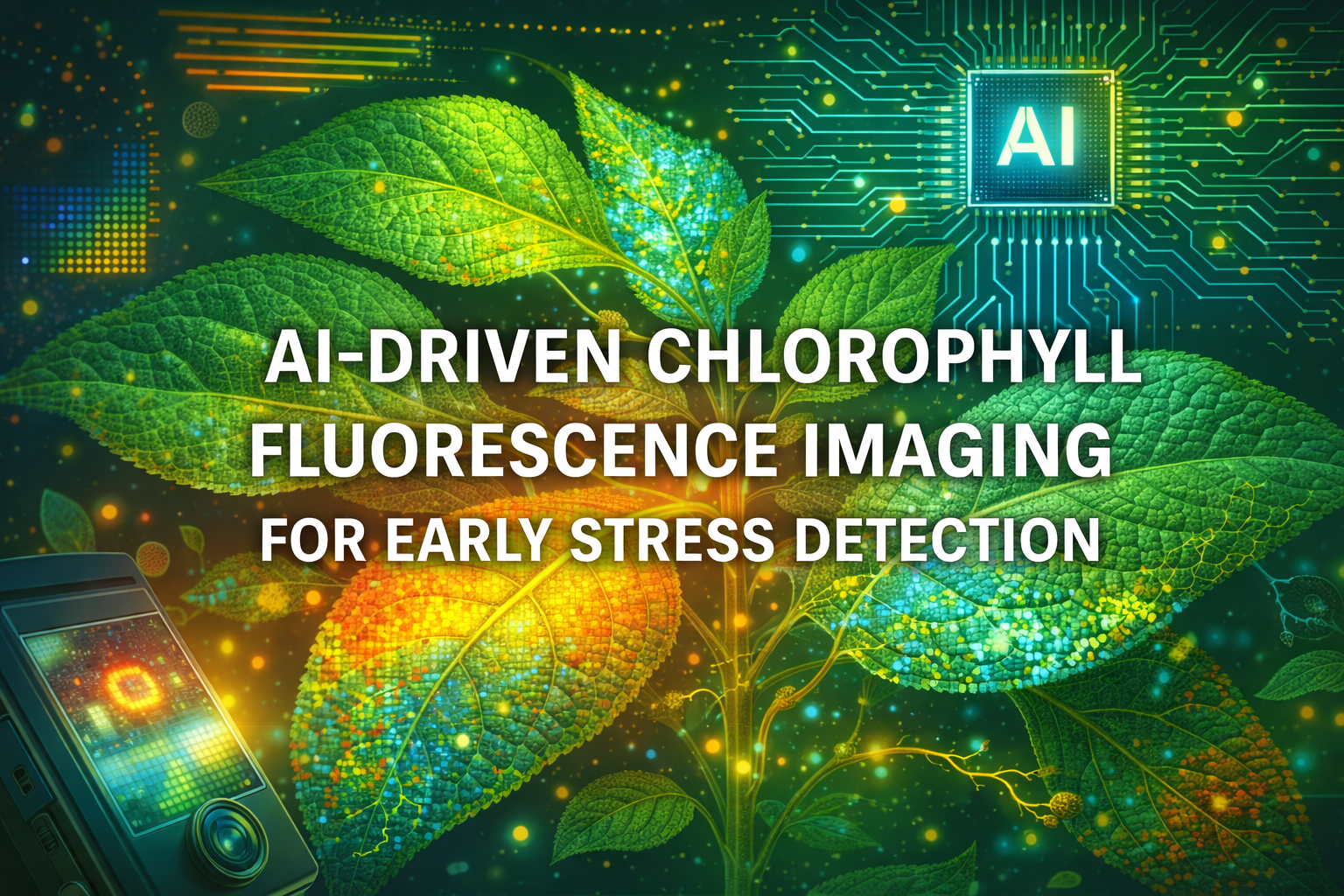
For example, sensors that track stomatal opening and closing reveal how efficiently a plant is using water during drought. Others measure chlorophyll fluorescence, giving instant insights into photosynthetic performance long before the plant shows visible stress. Some even monitor electrical signals within the plant, detecting how it reacts to touch, heat, or salinity.
On a larger scale, sensors are being embedded into greenhouses and crop fields. Soil moisture probes, microclimate detectors, and nutrient sensors work together to provide a 360° view of plant health. When connected to AI systems, they can automatically adjust irrigation, fertilizer levels, or shading creating self-regulating farms that adapt as plants’ needs change.
AI and Machine Learning
While sensors collect vast amounts of information, artificial intelligence (AI) is what makes sense of it all. In plant physiology, AI is like a translator turning complex biological data into patterns, predictions, and actions.
Using machine learning, researchers can now predict when a crop will face water stress, nutrient deficiency, or disease, often days before symptoms appear. AI models analyze thousands of data points from leaf color and temperature to environmental conditions to spot early warning signs invisible to the human eye.
For instance, AI-powered imaging tools can analyze how light reflects off leaves using hyperspectral cameras. These cameras capture dozens of light wavelengths beyond human vision, allowing scientists to identify stress, pigment changes, or water loss instantly. Combined with drones or satellite imagery, they can map entire farms, showing where intervention is needed.
In laboratories, AI is helping uncover new connections between plant genes, hormones, and physiological responses. Complex processes like photosynthesis efficiency, stomatal regulation, or carbon partitioning can now be modeled digitally, helping researchers simulate how a plant might behave under different climates or soil types.
This blend of biology and computing marks a shift from simply observing plants to understanding them as dynamic, data-driven systems. With every new dataset, AI makes our understanding sharper, faster, and more predictive.
Synthetic Leaves and Bioinspired Innovation
One of the most exciting frontiers in modern plant physiology is synthetic biology, the science of redesigning or mimicking nature’s biological systems. Scientists are now building synthetic leaves that function like real ones capturing sunlight, splitting water, and producing fuels or oxygen.
These artificial leaves aren’t just replicas; they are tools for research and sustainability. By controlling every variable, scientists can test how different pigments, enzymes, or materials affect photosynthesis. This helps them design new ways to improve crop efficiency or even develop clean energy technologies that imitate plant metabolism.
Some synthetic leaves are made from thin layers of semiconductors that absorb light and convert it into chemical energy which is a process known as artificial photosynthesis. Others combine biological enzymes with nanomaterials, creating hybrid systems that can remove CO₂ from the atmosphere or generate hydrogen fuel.
Beyond energy, synthetic biology is helping build bioengineered plants with smarter functions. Crops are being designed to sense drought and activate protective genes automatically or to glow faintly when nutrient levels drop. These innovations are turning plants into living sensors organisms that not only survive but also communicate with us.
Bridging Science, Climate, and Agriculture
Why does all this matter? Because the world’s food systems are under immense pressure. Rising temperatures, erratic rainfall, and soil degradation threaten crop yields everywhere. The fusion of plant physiology with technology offers a practical path forward.
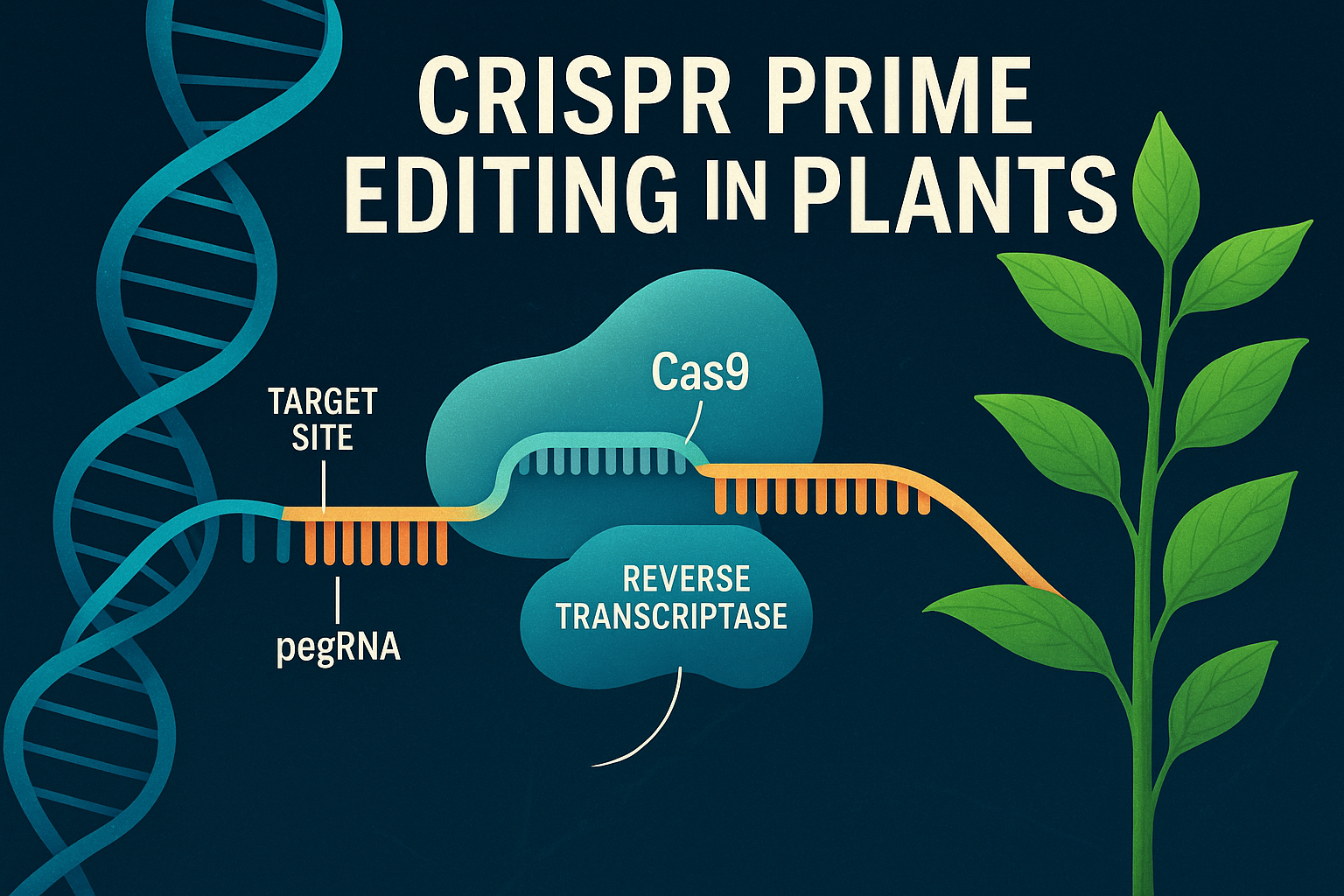
With real-time monitoring, predictive modeling, and bioengineered resilience, farmers can grow more food using less water and fewer chemicals. Researchers can breed or edit plants that withstand extreme heat or salinity. Policymakers can use plant data to make smarter decisions about water use and land management.
Imagine an AI dashboard that tracks the “pulse” of an entire farm showing which plants are stressed, which are thriving, and when the next irrigation should happen. Or a greenhouse that automatically adjusts temperature, humidity, and light to match each crop’s ideal conditions. These are no longer dreams, they are already being tested in labs and smart farms around the world.
The Future: Plants That Think, Fields That Learn
As sensors become smaller, AI becomes smarter, and synthetic biology becomes more precise, we’re moving toward a world where plants and technology are truly interconnected. The future of plant physiology won’t just be about studying plants it will be about collaborating with them.
In the near future, a plant could send a signal directly to a grower’s phone saying, “I’m thirsty,” or a global network of smart fields could share data to optimize irrigation worldwide. Artificial leaves could produce clean fuel while real leaves feed the planet.
This fusion of biology, physics, and artificial intelligence is blurring the boundaries between living and engineered systems. Yet, at its heart, it’s still guided by the same question plant physiologists have asked for centuries: How do plants live, and how can we help them thrive?
The answers now come not just from microscopes and lab notebooks, but from sensors, algorithms, and synthetic systems tools that see what our eyes can’t and think faster than we ever could.