The Urgency of Drought-Resilient Agriculture
Climate change is drastically reshaping global agriculture. Among the many environmental stressors that plants face, drought stress stands as one of the most damaging. Extended dry spells, erratic rainfall patterns, and rising temperatures are affecting not only yields but also long-term food security. As a response, plant scientists are shifting focus from merely breeding drought-tolerant varieties to engineering crops that can “remember” past drought events and respond more effectively in future occurrences. This adaptive trait, known as drought memory, is emerging as a novel and powerful strategy in the field of plant science and crop improvement.
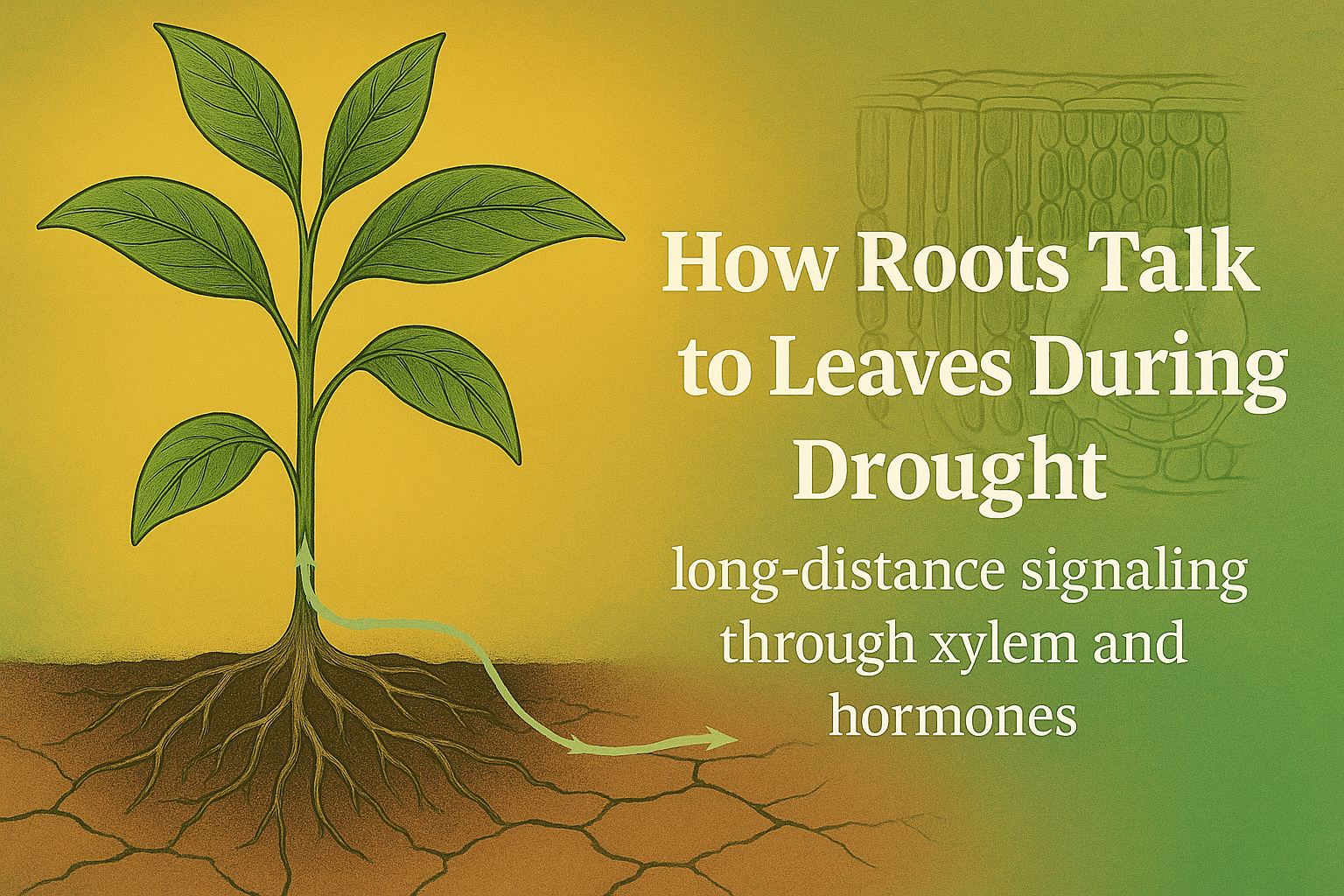
Plants, unlike animals, are rooted to their spot. When environmental conditions deteriorate, they cannot escape; instead, they rely on intricate physiological and molecular mechanisms to cope with stress. Drought stress impacts nearly every aspect of plant life. From restricting water uptake and reducing leaf turgor to hampering photosynthesis and cellular growth, drought exerts a wide-reaching influence. When a plant experiences drought, it undergoes immediate physiological responses such as stomatal closure, altered root-to-shoot signaling, and the accumulation of osmoprotective compounds like sugars and amino acids. These changes help the plant survive short-term stress but are often reversed once the water supply returns.
How Plants Remember: The Science of Drought Memory
Studies in recent years have uncovered an impressive feature—plants that have previously undergone drought stress can retain molecular and physiological changes that prepare them for future events. This is what researchers now refer to as drought memory. Drought memory can be somatic, persisting within the plant’s own lifespan, or transgenerational, in which stress signals are passed on to the next generation. In somatic drought memory, plants show faster activation of stress-responsive genes, more rapid accumulation of protective compounds, and improved recovery compared to plants facing drought for the first time.
These retained modifications are often associated with epigenetic changes, which do not alter the DNA sequence but affect how genes are turned on or off. DNA methylation, histone modifications, and regulatory non-coding RNAs are all key players in establishing and maintaining this memory. When a plant experiences stress, certain genes become activated or suppressed through chromatin modifications. In some cases, these changes persist even after the stress has ended, allowing the plant to respond more efficiently to future stress. For example, many abscisic acid (ABA)-responsive genes associated with drought stress maintain a “primed” state, making them more easily reactivated.
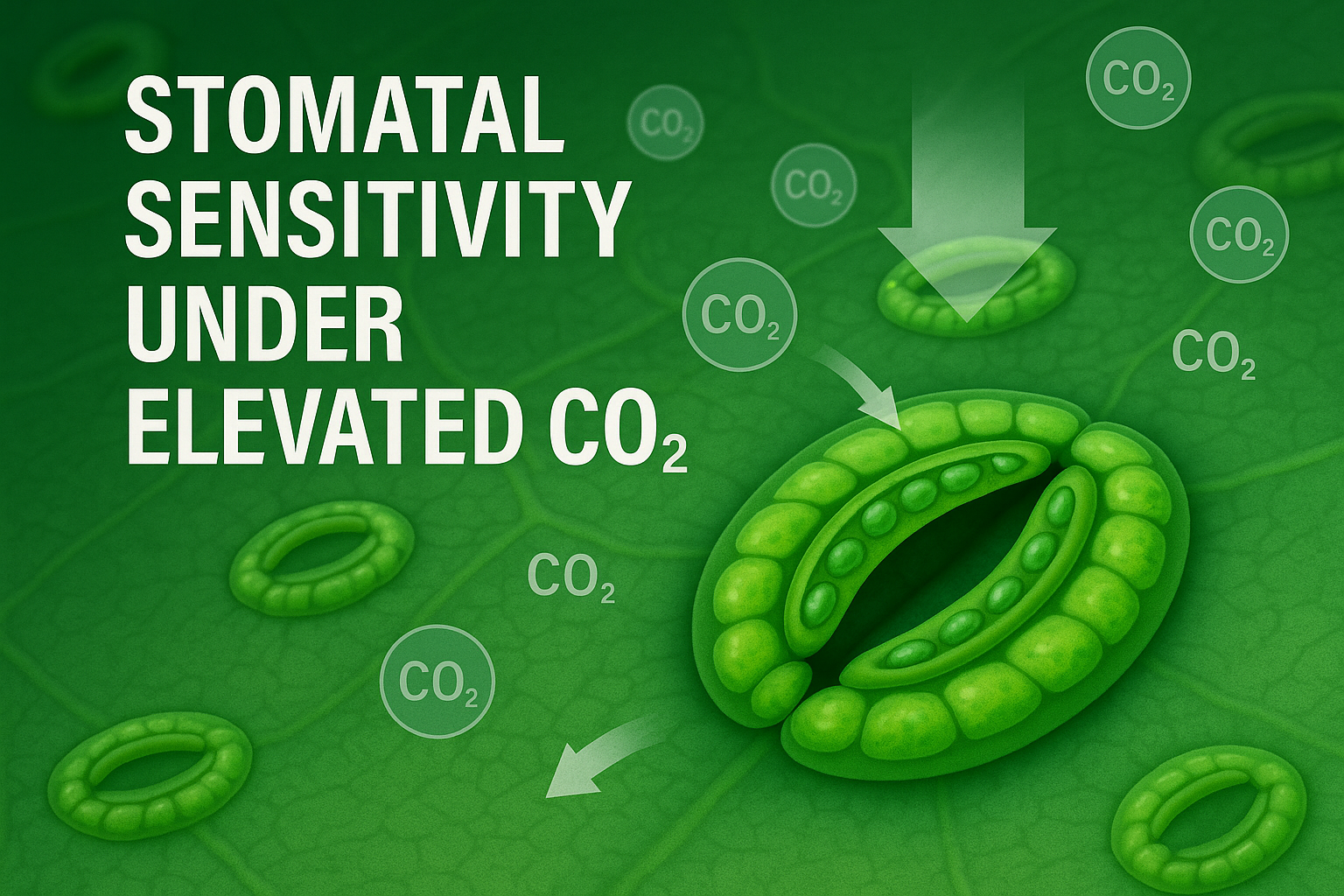
Physiologically, drought-primed plants often exhibit faster stomatal closure, improved water-use efficiency, and enhanced antioxidant capacity. These responses reduce oxidative damage and preserve cellular structures during subsequent stress events. Drought memory also influences root growth, favoring deeper and more efficient root systems capable of extracting water from lower soil layers. Such adjustments are not random but are governed by a dynamic network of hormonal signaling, gene regulation, and metabolic reprogramming.
Priming Plants for Future Stress
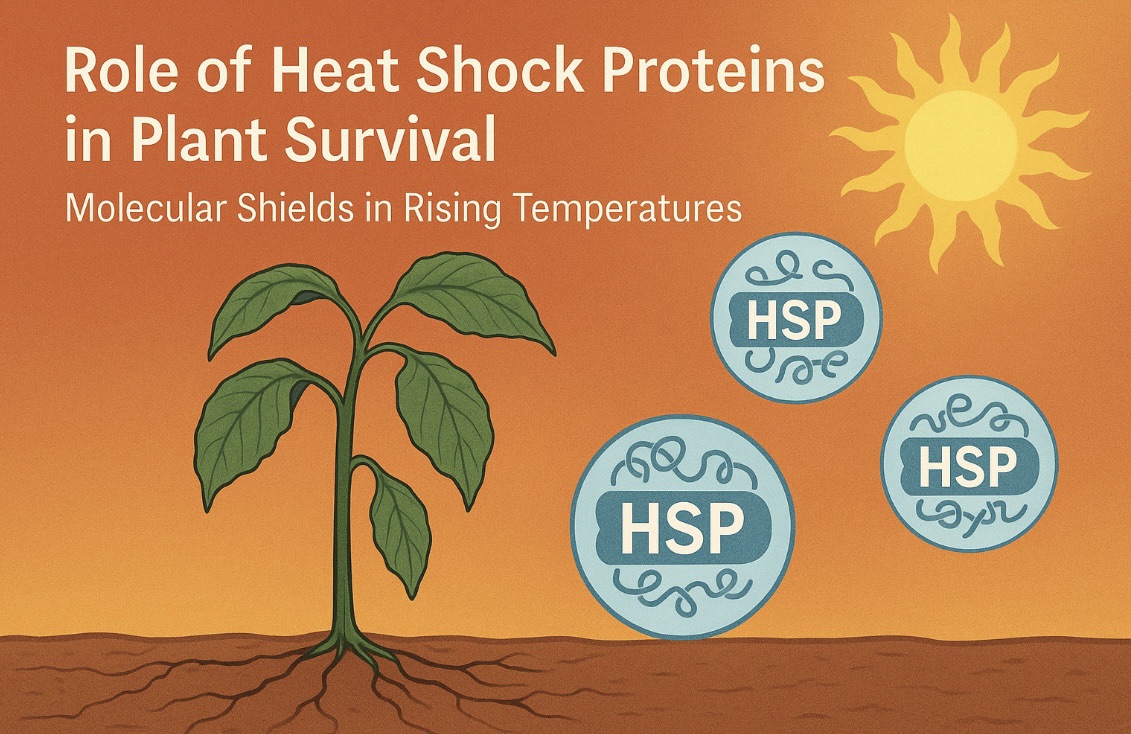
One practical application of drought memory is priming. Priming refers to the process of exposing plants to a mild or controlled dose of stress to prepare them for future stress. It mimics natural memory by inducing physiological and epigenetic changes that persist over time. Priming can be induced through water deficit, chemicals like abscisic acid or hydrogen peroxide, beneficial microbes, or even physical treatments like heat shock. Once primed, plants become more resilient to subsequent droughts, exhibiting improved survival and yield stability. Priming is already being explored as a pre-sowing treatment for seeds, especially in drought-prone regions.
Beyond short-term benefits, priming also contributes to long-lasting changes in gene expression patterns, chromatin remodeling, and hormonal regulation. In some cases, the effects of priming are seen in the progeny of stressed plants, suggesting a form of transgenerational memory. However, the stability and reliability of these heritable effects are still under investigation, and more research is needed to ensure that these memory traits do not fade under different environmental contexts.
Genetic and Biotechnological Tools for Engineering Memory
With advances in genetic tools, scientists are now able to engineer drought memory traits into plants directly. Transgenic methods have been used to overexpress stress-responsive transcription factors, such as DREB and AREB, which activate drought-related pathways. Genome editing technologies like CRISPR/Cas9 are enabling precise modifications to regulatory genes involved in stress responses. For example, knocking out a repressor gene or enhancing the expression of a chromatin modifier can strengthen memory-like responses. There is also growing interest in synthetic biology approaches where stress-inducible promoters are designed to activate protective genes only when needed, minimizing unnecessary energy expenditure.
In addition to CRISPR-based genome editing, RNA interference (RNAi) and CRISPRi (interference-based regulation) have emerged as powerful tools to silence specific memory repressors or fine-tune stress-related pathways. Combining these approaches with high-throughput phenotyping and transcriptomics allows researchers to identify the most promising gene candidates and regulatory sequences for manipulation. Moreover, plant breeders are beginning to explore epi-alleles—epigenetically modified versions of genes—as potential targets in breeding programs. These approaches, once confined to model plants, are now being translated into crops like wheat, maize, rice, and canola.
Future Prospects and Challenges Ahead
While the concept of engineering drought memory is full of promise, there are still many challenges ahead. The complexity of memory traits, involving hundreds of genes and multiple layers of regulation, makes it difficult to predict outcomes with precision. Environmental factors such as light, temperature, and nutrient status can influence the stability of memory responses. Furthermore, there may be trade-offs between stress preparedness and growth, as resources allocated to stress defense may reduce overall biomass or yield under non-stress conditions.
Another major hurdle lies in the regulatory and public acceptance landscape, particularly for genetically modified or epigenetically altered crops. As researchers navigate these obstacles, integrating memory traits into conventional breeding programs remains a viable and less controversial pathway. The use of natural variation in stress memory traits, supported by genomic selection and marker-assisted breeding, may offer a balanced approach to enhance resilience while maintaining productivity.
Despite these complexities, the future of drought memory engineering is bright. With the support of systems biology, machine learning, and integrative omics approaches, researchers can now build predictive models to identify key memory regulators and optimize intervention strategies. As we look ahead, the goal is not just to create crops that survive drought but to design intelligent plants that learn from their environment and adapt dynamically—transforming the future of agriculture in an increasingly water-scarce world.