Skip to content
New
Functional Genomics in Model and Crop Plants: Unlocking the Genetic Code for Sustainable Agriculture
Elevated CO₂ and Crop Nutrition: Are We Trading Yield for Quality?
Photosynthesis Photosynthetic Acclimation to Climate Change: CO₂, Light, and Temperature Interplay
Live-Cell Imaging Techniques in Plant Developmental Biology
The Leaf Energy Balance Equation: Radiation, Transpiration, and Cooling
Botany with Parul

Botany with Parul

Explore the fascinating world of plants

  • Home
  • Contact
  • About
  • Recent Advances in Plant Science
  • Plant Molecular Physiology
  • Plant Stress Physiology
  • Plant techniques
  • My Academic corner

Category: Plant Molecular Physiology

Biofertilizers: A Sustainable Approach to Soil Fertility and Plant Growth
7 min read 0
  • Plant Molecular Physiology

Biofertilizers: A Sustainable Approach to Soil Fertility and Plant Growth

  • PARUL SHARMA
  • February 13, 2025
Biofertilizers have gained significant attention in recent years as a sustainable and eco-friendly alternative to chemical fertilizers. As the global demand for food continues to rise, the excessive use of synthetic fertilizers has led to soil degradation, water pollution, and…
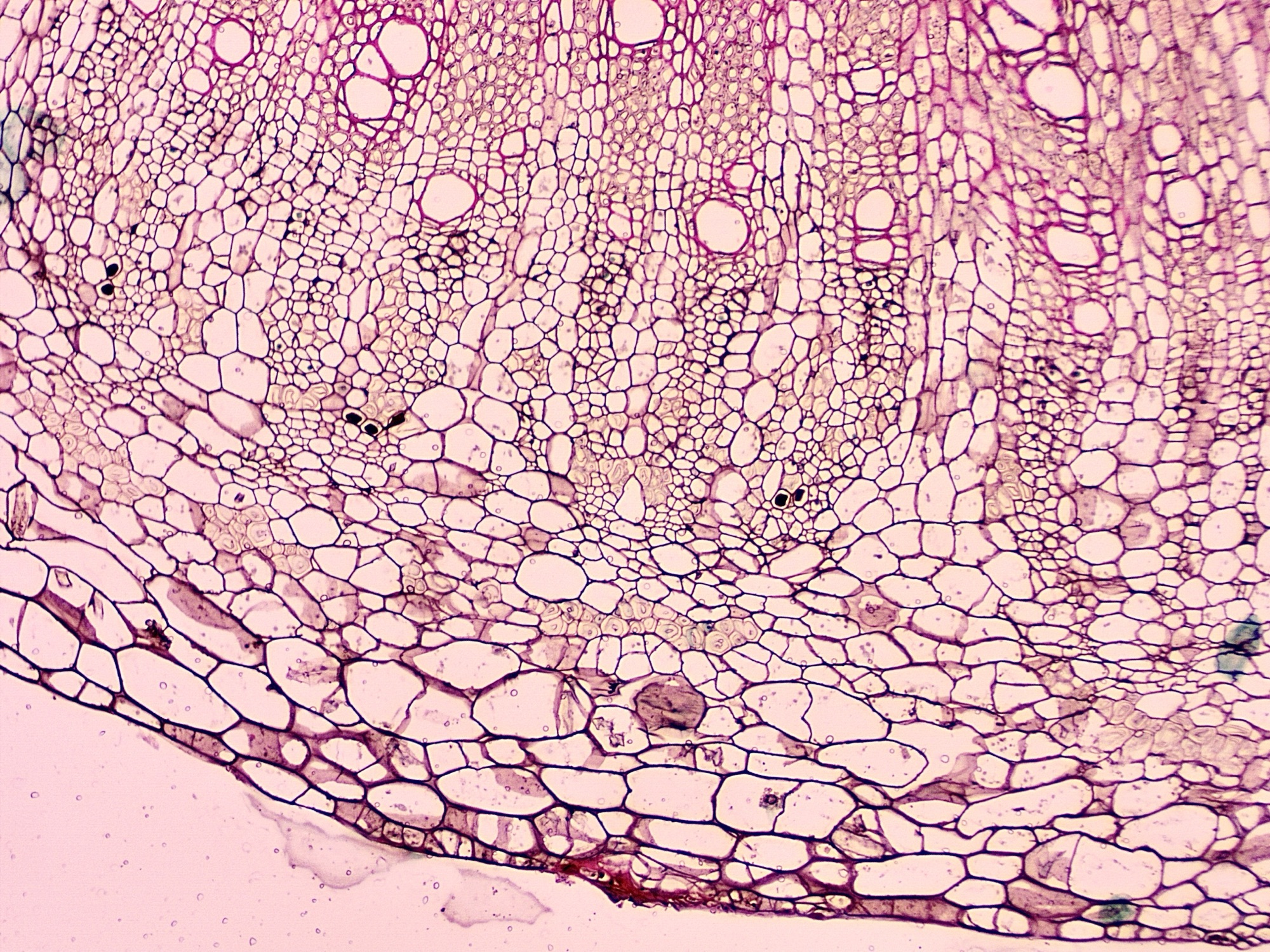
The Microstructure of Leaves: Adaptations for Photosynthesis and Gas Exchange
7 min read 0
  • Plant Molecular Physiology

The Microstructure of Leaves: Adaptations for Photosynthesis and Gas Exchange

  • PARUL SHARMA
  • January 18, 2025
Leaves are the primary organs of photosynthesis, optimized through evolution to capture light energy, absorb carbon dioxide, and regulate water loss efficiently. Their intricate microstructure supports these essential functions, ensuring plants survive and thrive in diverse environments. From the protective…
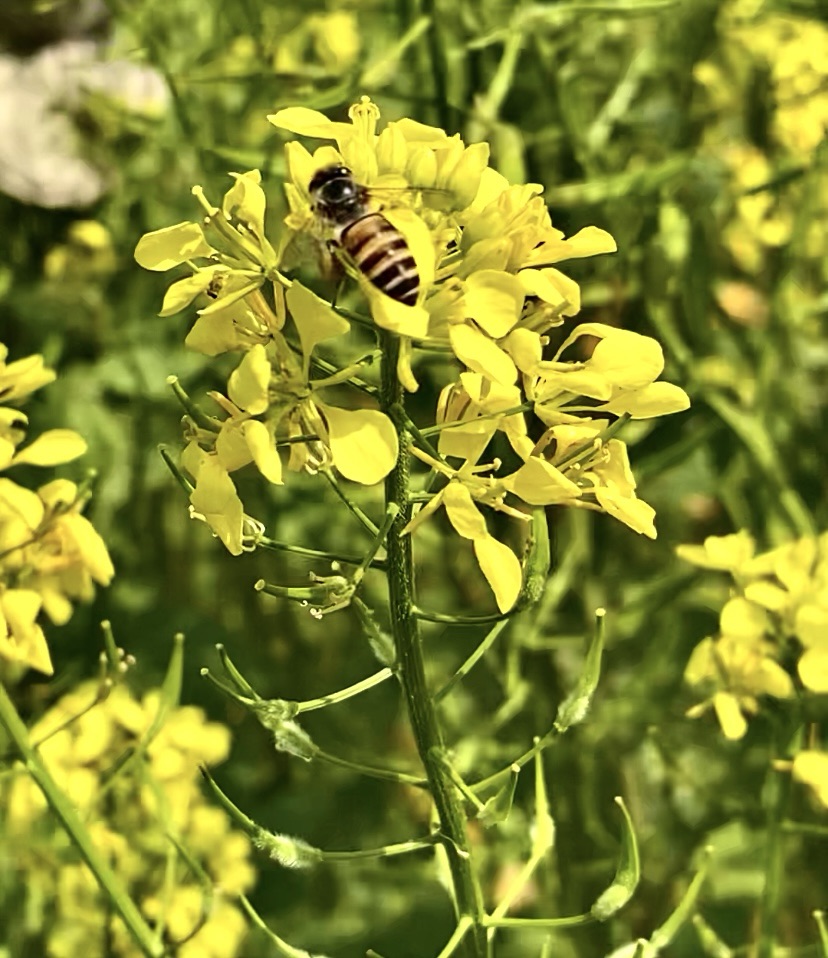
The Symbiotic Relationship Between Bees and Flowers
7 min read 0
  • Plant Molecular Physiology

The Symbiotic Relationship Between Bees and Flowers

  • PARUL SHARMA
  • January 11, 2025
The partnership between bees and flowers is one of nature’s most remarkable examples of mutualism. Flowers depend on bees to transfer pollen, a crucial step in plant reproduction, while bees rely on flowers as a primary source of food. Nectar…
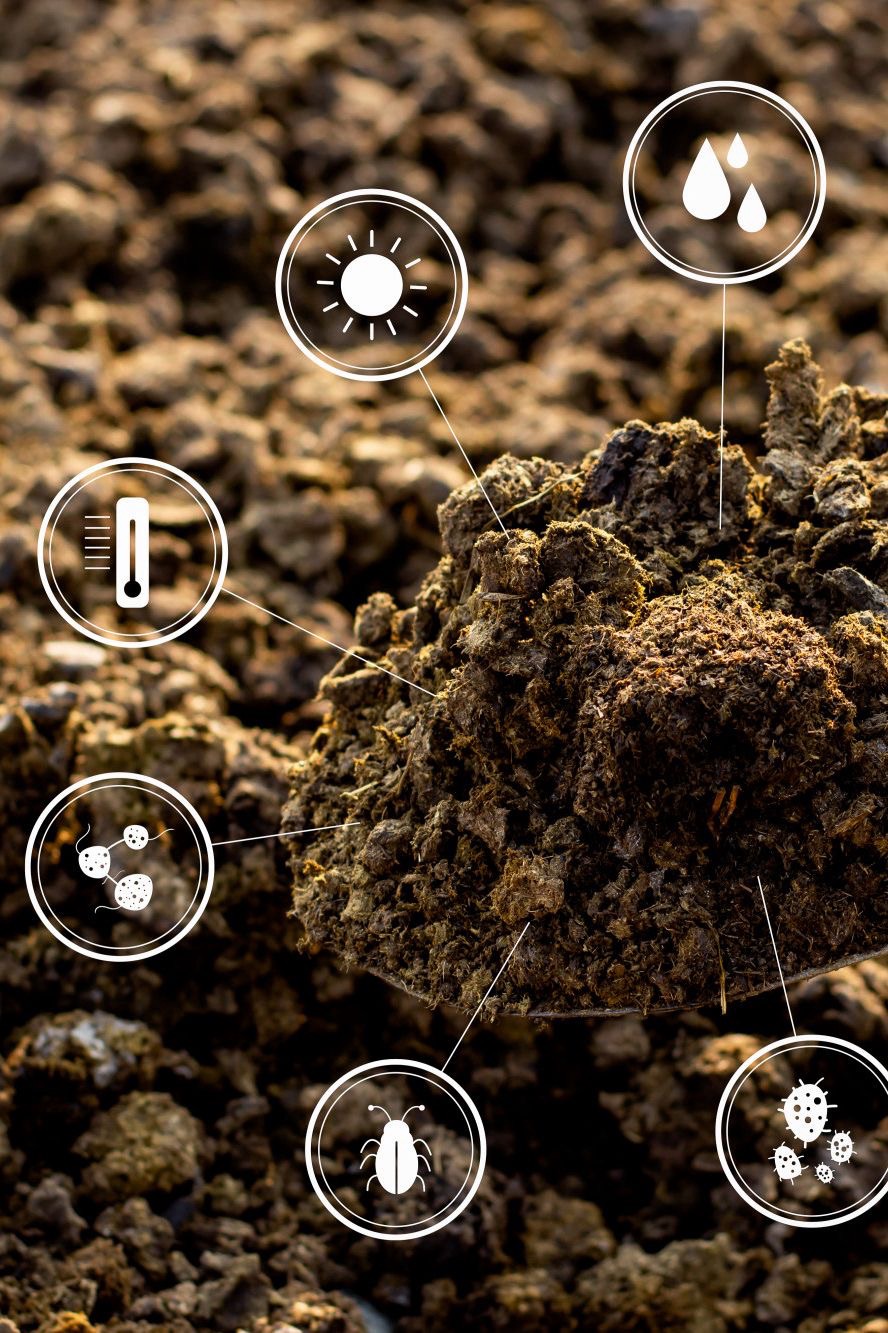
Soil Health for Sustainable Agriculture: The Foundation of Food Security
7 min read 0
  • Plant Molecular Physiology

Soil Health for Sustainable Agriculture: The Foundation of Food Security

  • PARUL SHARMA
  • January 10, 2025
Soil health is the backbone of sustainable agriculture, directly influencing the productivity of crops, ecosystem stability, and the resilience of agricultural systems against environmental and economic challenges. Soil, often referred to as “the skin of the Earth,” plays a fundamental…
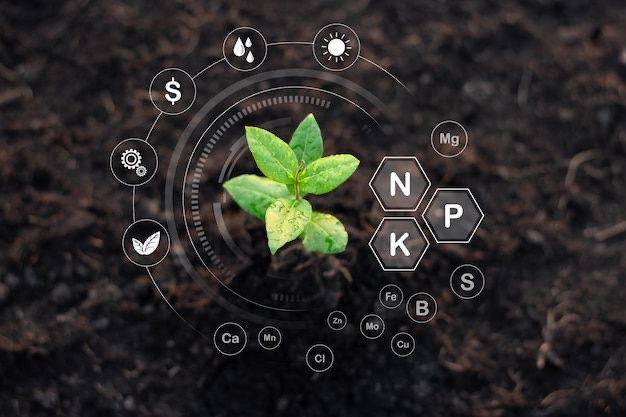
The Essential Role of NPK Fertilizers in Optimizing Crop Growth and Productivity
5 min read 0
  • Plant Molecular Physiology

The Essential Role of NPK Fertilizers in Optimizing Crop Growth and Productivity

  • PARUL SHARMA
  • January 6, 2025
Fertilizers are a critical component of modern agriculture, enhancing soil fertility and ensuring optimal crop productivity. Among these, NPK fertilizers, which supply nitrogen (N), phosphorus (P), and potassium (K), are the most widely used. Each nutrient in NPK fertilizers serves…
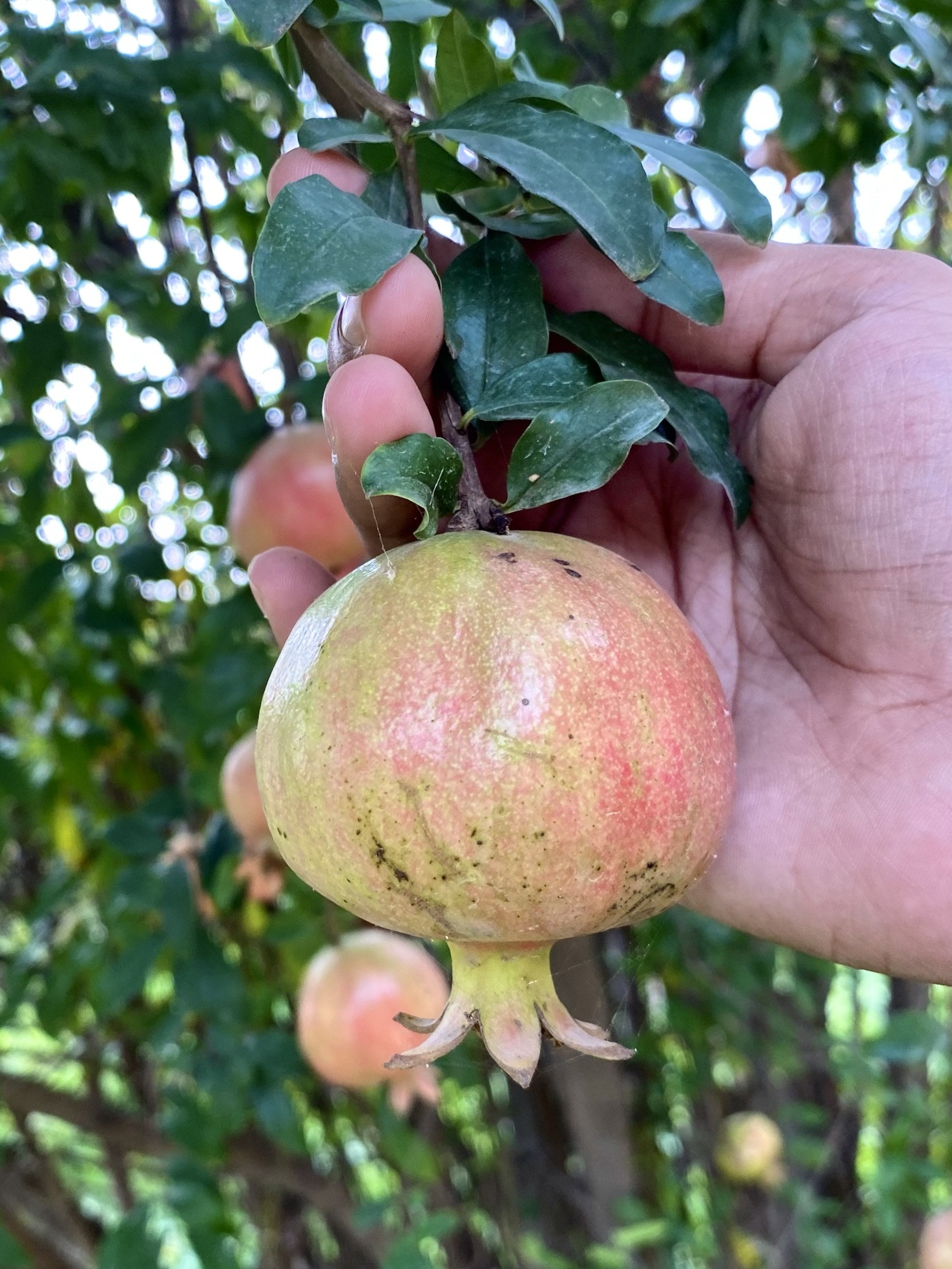
How Fruits Get Their Flavour and Colors
6 min read 0
  • Plant Molecular Physiology

How Fruits Get Their Flavour and Colors

  • PARUL SHARMA
  • December 20, 2024
Fruits, with their diverse colors and flavors, are among the most fascinating creations of nature. These attributes are not just appealing to the human senses but also serve critical biological roles for plants. The vibrant colors and distinctive flavors are…
How Flowers Get Their Colors: The science behind
7 min read 0
  • Plant Molecular Physiology

How Flowers Get Their Colors: The science behind

  • PARUL SHARMA
  • December 18, 2024
Flowers are among nature’s most enchanting creations fulfilling essential roles in ecosystems. Their hues—ranging from red and pink to yellow, orange, white, and blue—are not random but result from complex interactions of biological processes, cellular structures, and environmental conditions. The…
Impact of temperature fluctuations on seed germination and growth
7 min read 0
  • Plant Molecular Physiology

Impact of temperature fluctuations on seed germination and growth

  • PARUL SHARMA
  • December 18, 2024
Temperature is one of the most critical environmental factors influencing seed germination and subsequent plant growth. It directly affects enzymatic activity, cellular metabolism, and physiological processes necessary for plant development. However, temperature fluctuations—sudden variations in temperature within short periods—can have…
Biostimulants in Agriculture: Natural Growth Enhancers for Sustainable Agriculture
15 min read 0
  • Plant Molecular Physiology

Biostimulants in Agriculture: Natural Growth Enhancers for Sustainable Agriculture

  • PARUL SHARMA
  • November 23, 2024
Agriculture faces mounting pressures to ensure food security for a global population expected to approach 10 billion by 2050 while addressing the detrimental effects of climate change, soil degradation, and water scarcity. Achieving sustainable food production under these conditions requires…
From Roots to Shoots: How Hormones Regulate Plant Growth and Development
27 min read 0
  • Plant Molecular Physiology

From Roots to Shoots: How Hormones Regulate Plant Growth and Development

  • PARUL SHARMA
  • November 21, 2024
The coordination between shoot and root growth is a fundamental aspect of plant development, ensuring efficient adaptation to fluctuating environmental conditions such as nutrient availability, water scarcity, and light intensity. This dynamic balance between above-ground and below-ground growth is mediated…

Posts pagination

Previous 1 … 3 4 5 Next
Theme: Flawless Blog By Adore Themes.