Every time a leaf opens to sunlight, a quiet miracle unfolds. Molecules of carbon dioxide, drifting through the air, are pulled into plant cells and transformed into sugars, the foundation of all life on Earth. This simple, elegant process called photosynthesis has powered the planet for billions of years. It feeds ecosystems, fuels economies, and regulates the very air we breathe. Yet, in an age defined by climate change, photosynthesis is being reimagined not just as nature’s metabolism, but as a powerful tool for climate action. The emerging concept of carbon farming builds on this ancient process to tackle one of humanity’s greatest challenges: how to draw excess carbon dioxide out of the atmosphere and store it safely back in the soil.
For decades, agriculture was seen mainly as a source of greenhouse gases through fertilizer use, livestock emissions, and land clearing. But the tide is turning. Scientists and farmers are beginning to recognize that the same fields that produce our food can also serve as vast carbon sinks. By managing crops and soils in new ways, farming can shift from being a carbon source to a carbon solution. This transition sometimes called Carbon Farming 2.0 represents the next frontier of sustainable agriculture: farming not only for yield, but for the climate itself.
How Photosynthesis Becomes Climate Technology
At its heart, carbon farming is about enhancing the planet’s oldest carbon capture system: photosynthesis. Every green plant pulls CO₂ from the atmosphere and converts it into organic matter through a cascade of chemical reactions powered by sunlight. A portion of that carbon stays locked inside the plant, but an even more significant amount moves underground into roots, soil microbes, and organic matter. This underground carbon, often referred to as soil organic carbon, is what turns farmland into a potential climate ally.
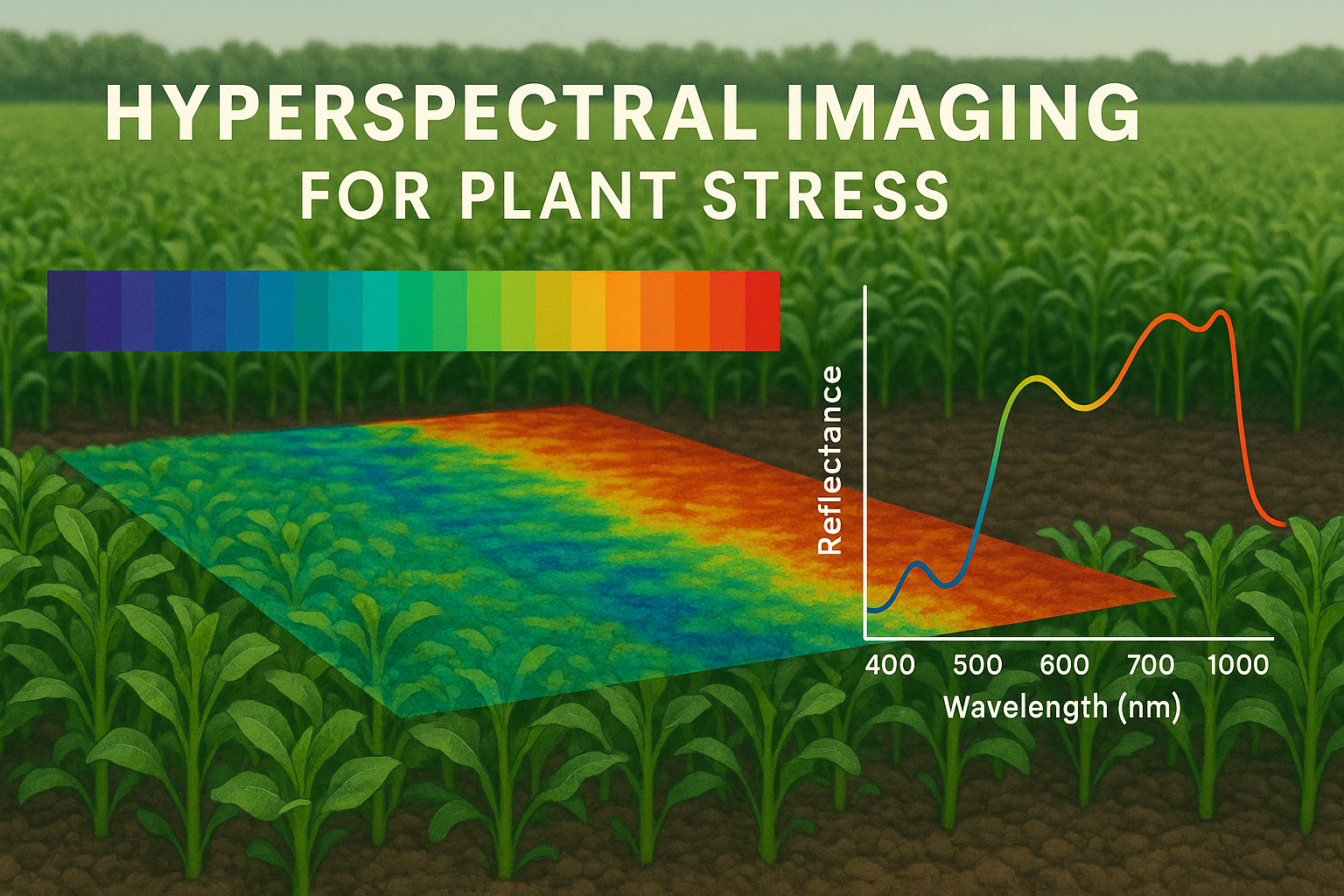
Carbon Farming 2.0 takes this natural process and amplifies it through innovation. Techniques like cover cropping, agroforestry, reduced tillage, and crop rotation improve soil structure, reduce erosion, and increase carbon storage capacity. New technologies now allow us to measure and model how much carbon soils can actually hold. Sensors embedded in fields, combined with satellite imaging and AI analytics, track changes in soil carbon levels across seasons. Even digital platforms are emerging where farmers can quantify their carbon sequestration and sell it as verified carbon credits turning sustainable practices into financial opportunity.
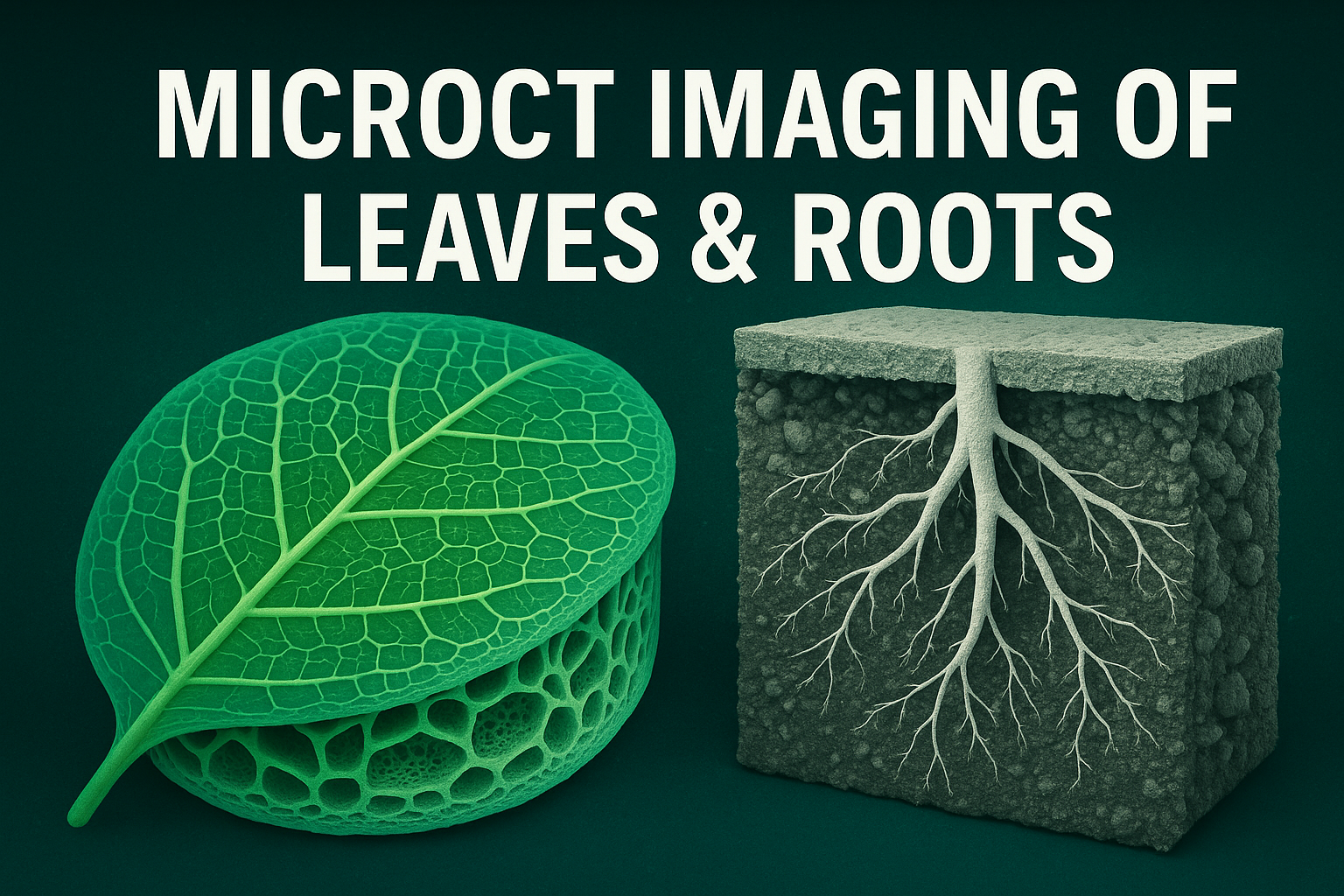
The science behind these innovations is both complex and fascinating. When plants photosynthesize, they release root exudates sugars and organic acids that feed soil microbes. Those microbes, in turn, help stabilize carbon by binding it to minerals and forming humus, the dark, carbon-rich layer that gives fertile soil its life. By nurturing this living network below ground, farmers can lock away carbon for decades, even centuries. In other words, the key to climate resilience lies beneath our feet, in the invisible economy of roots and microbes.
From Farms to Carbon Economies
Carbon farming is not just a scientific breakthrough it’s becoming an economic and social one. Across Australia, India, Europe, and the United States, pilot programs are rewarding farmers for verified carbon sequestration. For example, in Australia’s Emissions Reduction Fund, landholders can earn carbon credits by improving soil health, reforesting degraded land, or reducing fertilizer emissions. In the United States, major food and tech companies are investing in soil carbon initiatives, paying producers who demonstrate measurable improvements in soil carbon storage. This new “carbon economy” is beginning to reshape the motivations of modern agriculture, encouraging farmers to see carbon not as waste, but as wealth.
However, Carbon Farming 2.0 is about more than economics. It’s about rethinking the role of plants in climate governance. By treating photosynthesis as a form of technology one that captures, stores, and regulates atmospheric carbon we begin to bridge ecology and engineering. Farmers become climate managers, and crops become living instruments of restoration. Yet challenges remain. Soil carbon is notoriously difficult to measure, varying with depth, moisture, and microbial activity. Markets for carbon credits must ensure transparency, verification, and fairness. And perhaps most importantly, smallholder farmers who manage much of the world’s agricultural land must be included in these systems through equitable access to data, finance, and training.
Still, the momentum is clear. As climate policies evolve, carbon farming is moving from a niche experiment to a mainstream climate strategy. With global food systems under pressure to both feed people and heal the planet, agriculture’s dual role as producer and protector has never been more vital.
A New Era of Regenerative Intelligence
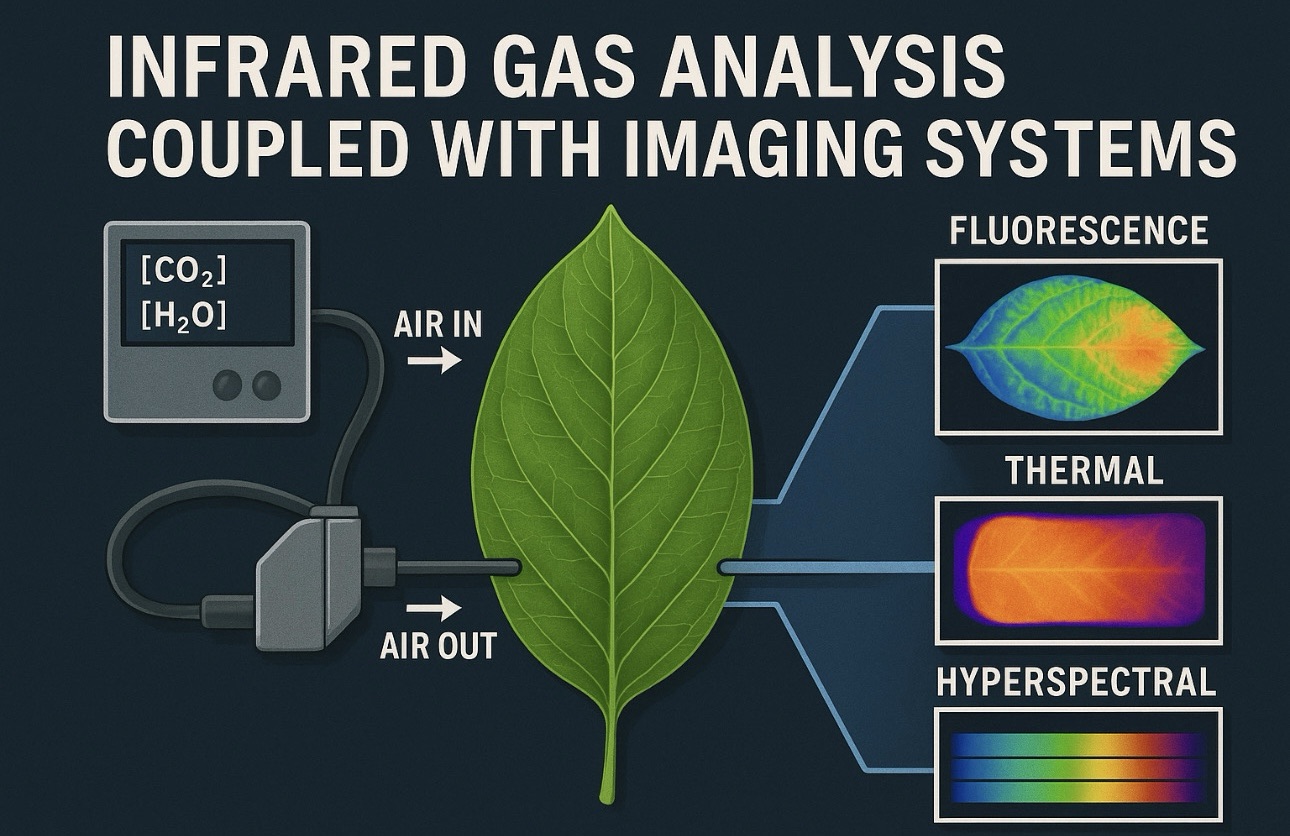
The promise of Carbon Farming 2.0 lies in its union of science, technology, and nature. It brings together AI-driven modeling, satellite monitoring, and plant physiology to enhance one of Earth’s most beautiful designs the leaf’s ability to capture light and turn it into life. Already, researchers are exploring “enhanced photosynthesis,” engineering crops that fix carbon more efficiently or store it deeper in their roots. In the near future, bioengineered plants might act as more powerful carbon sinks, while digital twins and bioelectronic sensors track how effectively they sequester carbon in real time.
But beyond technology, carbon farming carries a deeper message. It reminds us that climate solutions don’t always require machines or miracles sometimes, they simply require listening to what nature already knows how to do. A healthy, living soil is not just dirt; it is a breathing, carbon-storing ecosystem that connects the atmosphere to the roots of life itself. The next chapter of agriculture will be written not only with algorithms and satellites, but with chlorophyll, sunlight, and care.
If agriculture defined the past of human civilization, carbon farming may define its sustainable future. The green revolution of the 21st century will not only feed the world it will also cool it. In the quiet work of photosynthesis, there lies a blueprint for climate recovery, reminding us that every leaf is a living engine of hope.